
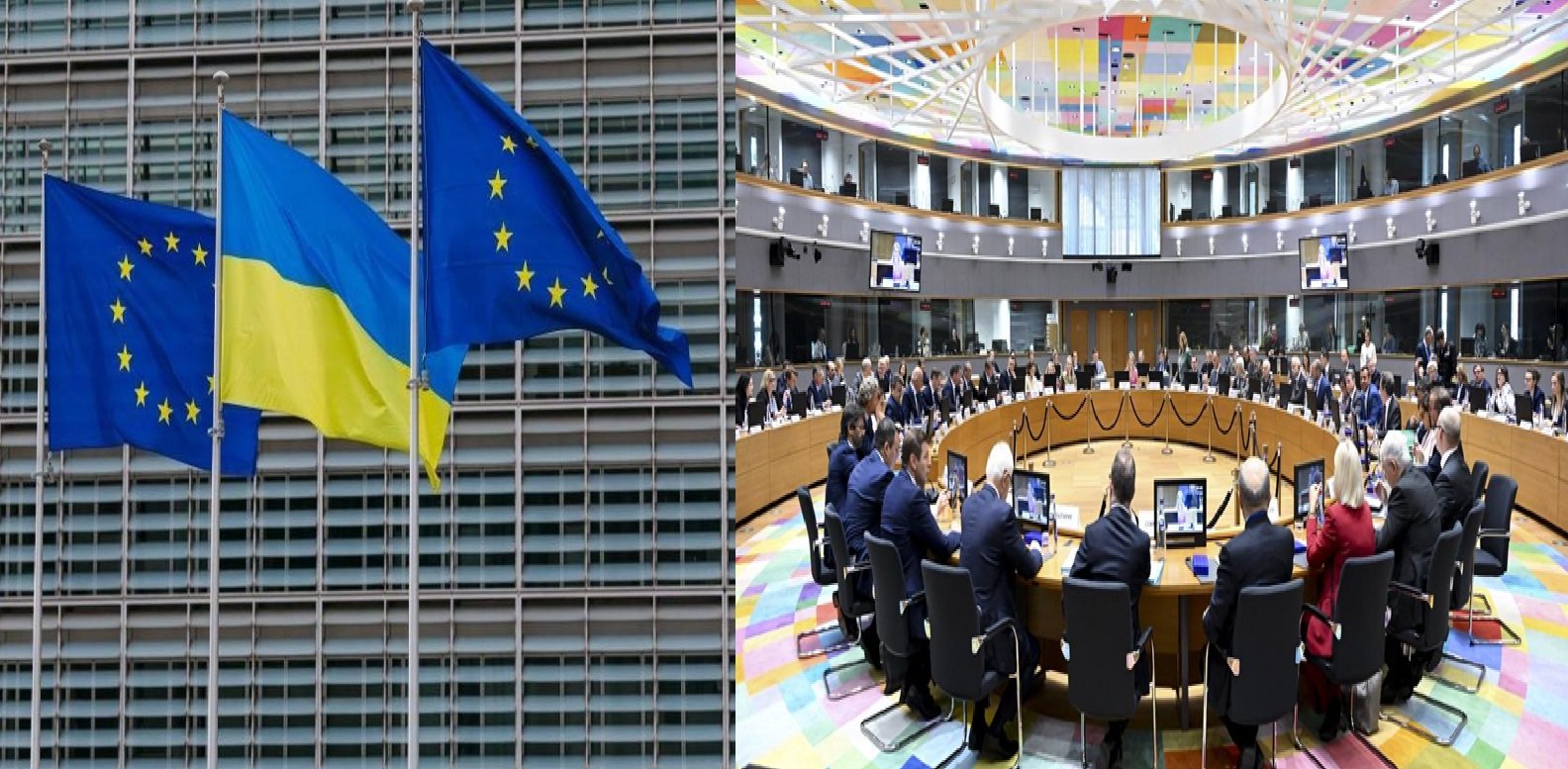
EU Extends Economic Sanctions on Russia Until July 2026 Over Ukraine War
EU Extends Economic Sanctions on Russia Until July 2026 Over Ukraine War
EU Extends Economic Sanctions on Russia: The European Union has extended its economic sanctions on Russia until July 2026, citing continued military action in Ukraine. The measures affect Russia’s energy, financial, and trade sectors.
The European Union has extended its economic sanctions on Russia until July 2026, the EU Council announced on Tuesday, citing Moscow’s continued military operations in Ukraine and the absence of meaningful progress toward a political resolution.
The decision was taken unanimously by EU member states and ensures that the restrictive measures, first imposed following Russia’s invasion of Ukraine in February 2022, will remain in force for at least another 18 months. The sanctions target Russia’s energy, financial, trade, transport, and technology sectors, as well as individuals and entities linked to the Russian government.
In a statement, the EU Council said the extension reflects the bloc’s position that Russia’s actions continue to violate international law and undermine European and global security.
https://aamnewsnetwork.com/mass-shooting-south-africa-tavern-attack-johannesburg/
Scope of the Sanctions: EU Extends Economic Sanctions on Russia
The renewed sanctions maintain limits on Russian oil and petroleum exports, including price caps and bans on certain energy-related technologies. Restrictions on coal imports and refined petroleum products also remain in place.
In the financial sector, several major Russian banks continue to face asset freezes and restrictions on international transactions, limiting their access to global markets. Russian state-owned enterprises and individuals identified as supporting the war effort remain subject to travel bans and asset seizures within the EU.
Trade-related sanctions include export bans on dual-use goods, advanced electronics, aviation components, and military-related technology. Imports of Russian steel, gold, and other key commodities into the European Union remain restricted.
Transport measures continue to bar Russian aircraft from EU airspace, while limitations on road freight transport by Russian operators remain in effect across member states.
Reasons Behind the Extension
EU officials said the decision was based on Russia’s continued military actions in Ukraine and the lack of compliance with international diplomatic efforts aimed at ending the conflict. While several countries have attempted to mediate peace talks, no comprehensive ceasefire or settlement has been achieved.
Recent developments on the battlefield, including continued fighting in eastern Ukraine and strikes on civilian infrastructure, were cited as factors contributing to the extension of sanctions.
“The European Union remains committed to supporting Ukraine’s sovereignty and territorial integrity,” the Council said, adding that sanctions would remain in place until Russia demonstrates a change in course.
Impact on Russia: EU Extends Economic Sanctions on Russia
Western officials and independent analysts say the sanctions have weakened Russia’s economy, particularly by reducing export revenues and limiting access to advanced technologies. Russia has sought to offset these effects by increasing trade with non-Western countries, including China, India, and Middle Eastern nations.
However, economists note that long-term challenges remain for Russia, including slower economic growth, reduced foreign investment, and constraints on industrial and military production.
Effect on the European Union
The sanctions have also had economic consequences for the EU, especially during the initial phase of reduced energy imports from Russia. Several member states faced higher energy prices and inflationary pressures in 2022 and 2023.
In response, the EU accelerated efforts to diversify energy sources, expand renewable energy capacity, and secure alternative gas supplies. EU officials say these measures have reduced the bloc’s dependence on Russian energy and strengthened long-term energy security.
Reaction from Ukraine: EU Extends Economic Sanctions on Russia
Ukrainian officials welcomed the extension, describing it as an important step in maintaining international pressure on Russia. Kyiv has consistently urged Western allies to continue sanctions and improve enforcement to prevent circumvention through third countries.
https://digitalamitkaul.online/russia-ukraine-war-nato-eu-non-aggression-diplomacy-2/
President Volodymyr Zelensky has previously stated that sustained sanctions are necessary to limit Russia’s military capabilities and push for accountability.
Political Unity Within the EU
Despite internal debates over economic costs, the extension reflects continued consensus among EU member states. Diplomats said maintaining unity was essential to ensuring the effectiveness of the sanctions regime.
EU officials also indicated that future decisions on sanctions would depend on developments in the conflict and Russia’s actions, emphasizing that any easing of restrictions would require clear changes on the ground.
Outlook: EU Extends Economic Sanctions on Russia
With the sanctions now extended until mid-2026, the European Union is preparing for a prolonged period of strained relations with Russia. EU institutions are expected to focus on enforcement, closing loopholes, and coordinating with international partners such as the United States and G7 nations.
As the conflict in Ukraine continues with no immediate resolution, EU leaders reiterated that economic sanctions remain a key element of the bloc’s response to the war.



Pingback: Global Financial Markets Rise on Christmas Eve as Precious Metals Touch Record Highs - DNN
Pingback: Jordan Conducts Airstrikes Against Drug Smuggling Networks in Southern Syria - ANN
Pingback: Global Markets Close 2025 at Record Highs; FTSE 100 Posts Best Annual Performance Since 2009 - DNN
Pingback: World Welcomes 2026 With Grand New Year Celebrations After a Turbulent 2025 - DNN
Pingback: India’s UPI Hits Record 21.63 Billion Transactions in December 2025, Driving Digital Economy Growth - DNN
Pingback: India Becomes World’s Largest Rice Producer, Overtakes China - DNN
Pingback: Global Markets Jolt After Trump Criticizes Fed Chair Powell on Interest Rates - DNN