
Airlines Rethink Winter Schedules as Fog, Snow, and Weather Chaos Disrupt Global Flight Operations
Airlines Rethink Winter Schedules as Fog, Snow, and Weather Chaos Disrupt Global Flight Operations
Airlines Rethink Winter Schedules: Major airlines worldwide adjust winter flight schedules amid severe fog, snow, and low visibility disruptions, prompting cancellations, delays, and travel advisories for passengers globally.
Amit Kaul – For Digital Desk, Bengaluru: January 20, 2026 – Airlines around the world are adjusting winter flight schedules and operations as persistent fog, heavy snow, and harsh weather conditions continue to disrupt travel networks. From dense fog in North India to snowstorms across Europe, major airports and carriers are navigating significant operational challenges, prompting cancellations, long delays, and revised timetables.
Winter fog affects flight departures
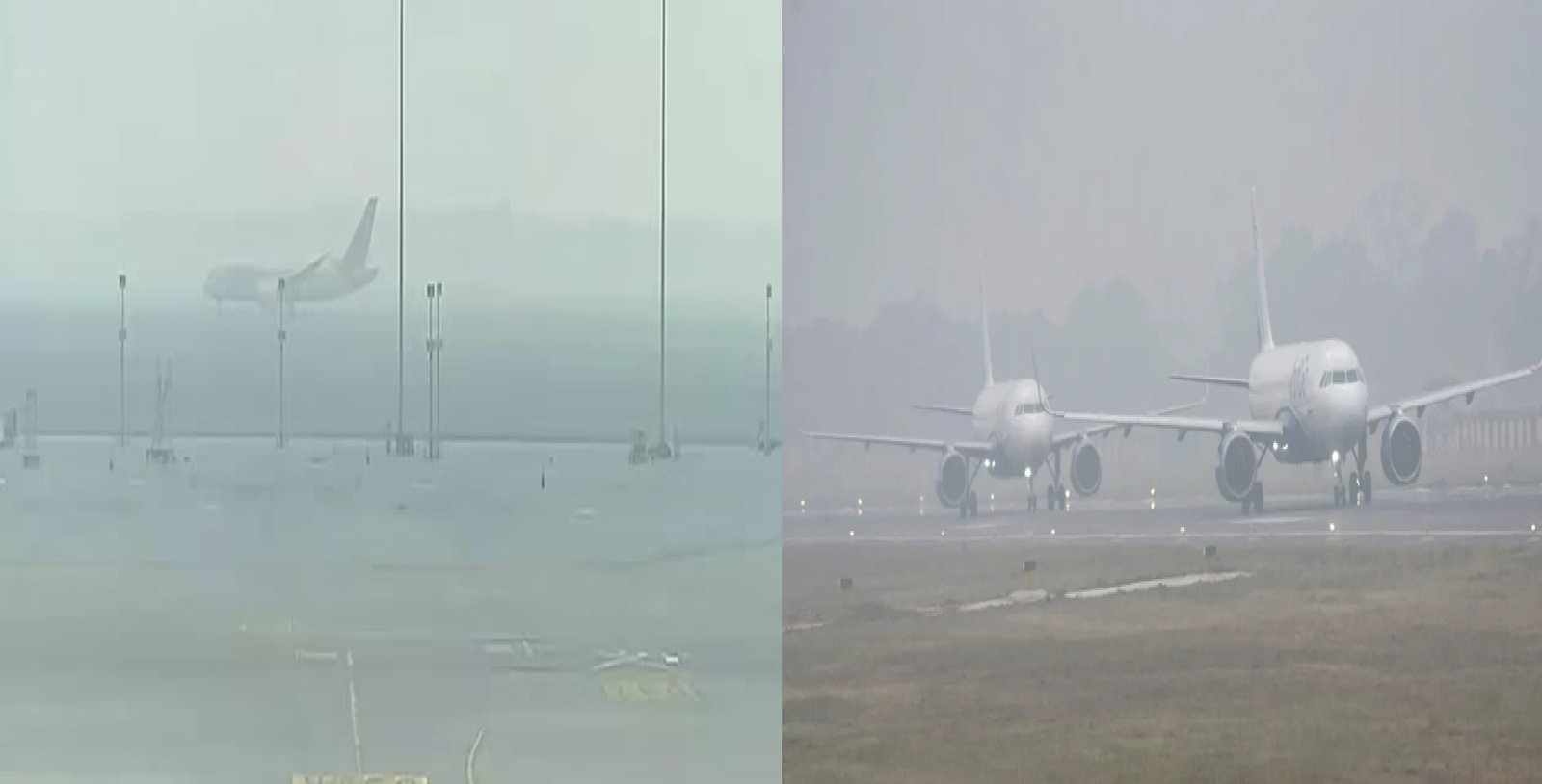
In northern India, dense winter fog has severely impacted airport operations, particularly at Shaheed Bhagat Singh International Airport in Chandigarh, where recent conditions caused dozens of flights to be canceled and delayed, disrupting both domestic and international services. The reduced visibility has forced airlines to adjust schedules and issue travel advisories to affected passengers. Experts note that winter fog not only affects flight departures and arrivals but also creates knock‑on effects across airline networks, leading to congestion at key hubs.
https://digitalamitkaul.online/global-snapshot-critical-headlines-world-news-today/
Across Europe, winter weather has delivered one of the most chaotic starts to the year for air travel. Amsterdam Schiphol Airport and other major hubs like Frankfurt and Berlin have reported extensive delays and cancellations as snow, strong winds, and icy conditions make runway operations difficult. Schiphol has experienced hundreds of flight cancellations over several days, with snow removal, de‑icing, and reduced visibility slowing departures and arrivals.
In Frankfurt, heavy snowfall forced airport authorities to call off more than 100 scheduled flights in one day, and similar conditions were witnessed at other German airports, where airlines including Lufthansa, KLM, and others faced ongoing winter challenges. Travelers have encountered long waits, and many carriers have had to revise flight plans to maintain safety while attempting to salvage schedules.
Winter disruption in the United States, Europe, and India
The winter disruption is not limited to Europe and India. In the United States, recent weather fronts also led to hundreds of flights being delayed or canceled, affecting major hubs such as New York, Phoenix, and Orlando. Airlines are posting real‑time schedule changes and advising passengers to stay updated through official channels.
Some carriers are proactively adapting to the seasonal challenges by restructuring their winter schedules. For example, Singapore Airlines has announced adjustments to its northern winter route network, including aircraft upgrades, temporary route suspensions, and frequency tweaks between key destinations, aiming to optimize capacity and manage demand during this disruptive period.
Weather‑related flight disruptions are forcing aviation authorities and carriers to implement operational mitigations. Airlines in India, such as IndiGo, have strengthened their planning to mitigate fog‑related challenges by anticipating reduced visibility and adjusting operations, though widespread weather conditions still pose risks to on‑time performance.
Passenger rights and protections have also come into sharper focus amid the chaos. In the EU, regulations cover passengers affected by weather‑related cancellations and delays, entitling them to rebooking, refund,s or care depending on the disruption’s severity. These legal frameworks can help travelers navigate compensation and rerouting, though airlines often emphasize that extreme weather remains outside typical compensation regimes.
Airlines Rethink Winter Schedules: The impact of these disruptions
The impact of these disruptions extends beyond the airports themselves. The interplay between flight cancellations, crew allocations, and airport capacity often creates cascading effects throughout network systems, leading to further rescheduling and operational strain. In some cases, extended delays ripple across continents, affecting global airline timetables and logistics. Aviation analysts highlight that improving infrastructure—such as advanced landing systems for low visibility—and expanded de‑icing capabilities could help reduce future winter weather impacts.
https://aamnewsnetwork.com/massive-global-airline-system-outage-flight-chaos/
For passengers planning travel during the peak winter months, industry experts recommend checking flight status frequently, arriving early at airports, and considering travel insurance that covers weather‑related delays. As airlines continue to adjust their winter schedules in response to unpredictable weather, flexibility remains critical for travelers navigating this challenging season.
Author Bio
Amit Kaul is a professional content writer and digital news strategist based in Bengaluru (India). With over a decade of experience covering transportation, technology, and travel, Amit specializes in creating SEO-optimized, engaging news content for digital platforms. He focuses on in-depth reporting, trend analysis, and reader-friendly storytelling, ensuring articles reach a global audience effectively.



Pingback: IMF Raises India’s GDP Growth Forecast, Citing Strong Domestic Demand and Economic Resilience - ANN