US Cardiologist Warns: These 4 Everyday Foods Could Shorten Your Lifespan – Avoid Them Now
US Cardiologist Warns: These 4 Everyday Foods Could Shorten Your Lifespan – Avoid Them Now
US Cardiologist Warns: A US-based cardiologist reveals four common foods that may reduce lifespan and harm heart health. Discover what to avoid and smarter dietary alternatives for longevity.
US Cardiologist Warns: US Cardiologist Reveals 4 Foods That May Shorten Your Lifespan
Amit Kaul – For Digital Desk, Bengaluru: April 17, 2026 – In today’s fast-paced world, fitness is often equated with regular workouts and physical activity. However, leading health experts consistently emphasize that exercise alone cannot guarantee long-term wellness. Diet plays an equally—if not more—critical role in determining overall health and lifespan.
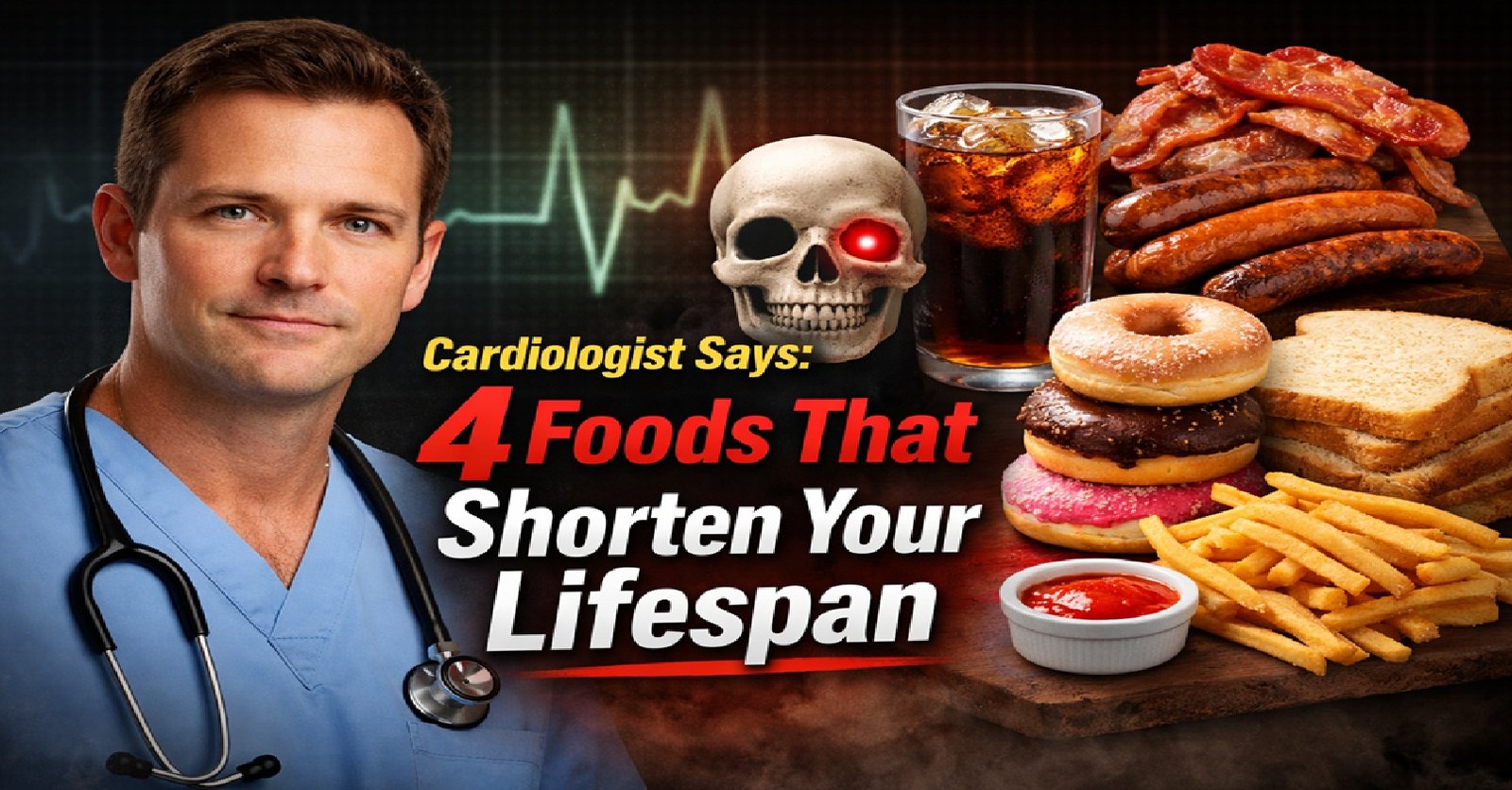
A US-based board-certified cardiovascular surgeon, Dr. Jeremy London, recently highlighted this issue in a widely viewed social media post. According to him, certain commonly consumed foods may significantly increase the risk of chronic diseases and ultimately shorten lifespan. His insights have sparked a fresh debate about modern dietary habits and their long-term consequences.
Here’s a closer look at the four foods he advises limiting—or eliminating—from your daily routine.
1. Processed Meats: A Silent Risk to Heart Health
Processed meats such as sausages, bacon, hot dogs, and deli meats are staples in many diets worldwide. However, these convenience foods come with a hidden cost.
Dr. London points out that processed meats are loaded with preservatives like nitrates and nitrites, along with high levels of sodium and saturated fats. These compounds have been linked to an increased risk of cardiovascular disease, hypertension, and even certain cancers.
Regular consumption can lead to plaque buildup in arteries, restricting blood flow and raising the likelihood of heart attacks and strokes. For individuals aiming to improve longevity, replacing processed meats with lean protein sources like chicken, fish, or plant-based alternatives is a more sustainable choice.
2. Sugary Beverages: Empty Calories, Serious Damage
Sugary drinks—including sodas, energy drinks, and even packaged fruit juices—are among the most harmful additions to a modern diet.
These beverages are high in added sugars and provide little to no nutritional value. According to health experts, excessive sugar intake is directly linked to obesity, type 2 diabetes, and heart disease.
Dr. London emphasizes that liquid sugar is particularly dangerous because it is rapidly absorbed into the bloodstream, causing spikes in blood glucose and insulin levels. Over time, this can lead to metabolic dysfunction and increased fat storage, especially around vital organs.
Switching to healthier alternatives like water, herbal teas, or fresh fruit-infused drinks can significantly improve metabolic health and reduce long-term risks.
3. Refined Carbohydrates: The Hidden Culprit
Refined carbohydrates, found in white bread, pastries, and many packaged snacks, are another major concern.
Unlike whole grains, refined carbs are stripped of fiber and essential nutrients during processing. This results in quick digestion and rapid spikes in blood sugar levels, followed by sudden crashes that can trigger hunger and overeating.
Dr. London warns that a diet high in refined carbohydrates can contribute to insulin resistance, a precursor to diabetes and cardiovascular disease. Over time, this pattern increases inflammation in the body, further accelerating aging and health deterioration.
Opting for whole grains such as brown rice, oats, and whole wheat products can help maintain stable energy levels and support long-term health.
4. Trans Fats: The Most Dangerous Ingredient
Trans fats, often found in fried foods, baked goods, and margarine, are widely regarded as one of the most harmful dietary components.
These artificial fats not only raise “bad” LDL cholesterol but also lower “good” HDL cholesterol. This imbalance significantly increases the risk of heart disease, the leading cause of death globally.
Dr. London strongly advises avoiding foods that list “partially hydrogenated oils” on their labels, as this indicates the presence of trans fats. Even small amounts consumed regularly can have a cumulative negative effect on cardiovascular health.
Healthier fat alternatives include olive oil, nuts, seeds, and avocados, which support heart function and overall well-being.
US Cardiologist Warns: Why Diet Matters More Than You Think
The key takeaway from Dr. London’s advice is simple: longevity is not just about what you add to your diet, but also what you remove.
While superfoods and supplements often dominate health conversations, eliminating harmful foods can have an equally powerful impact. Small, consistent dietary changes can significantly reduce the risk of chronic diseases and improve quality of life over time.
Nutrition experts also stress the importance of balance rather than extreme restrictions. Occasional indulgence is unlikely to cause harm, but regular consumption of these high-risk foods can gradually undermine health.
Final Thoughts
As awareness around preventive healthcare grows, insights from medical professionals like Dr. Jeremy London are becoming increasingly relevant. His warning serves as a reminder that everyday food choices can either support or sabotage long-term health.
For those committed to fitness and longevity, the strategy is clear: prioritize whole, nutrient-dense foods and minimize processed, sugar-laden, and artificially altered items.
In the long run, your diet is not just about appearance or short-term fitness goals—it’s a direct investment in how long and how well you live.
Author Bio
Amit Kaul is a professional content writer and digital news strategist based in Bengaluru (India). With over a decade of experience covering transportation, technology, and travel, Amit specializes in creating SEO-optimized, engaging news content for digital platforms. He focuses on in-depth reporting, trend analysis, and reader-friendly storytelling, ensuring articles reach a global audience effectively.